Voice AI: definition, how it works and main tools
How voice AI understands and answers spoken language, the industries it is transforming, the main tools on the market and what comes next.

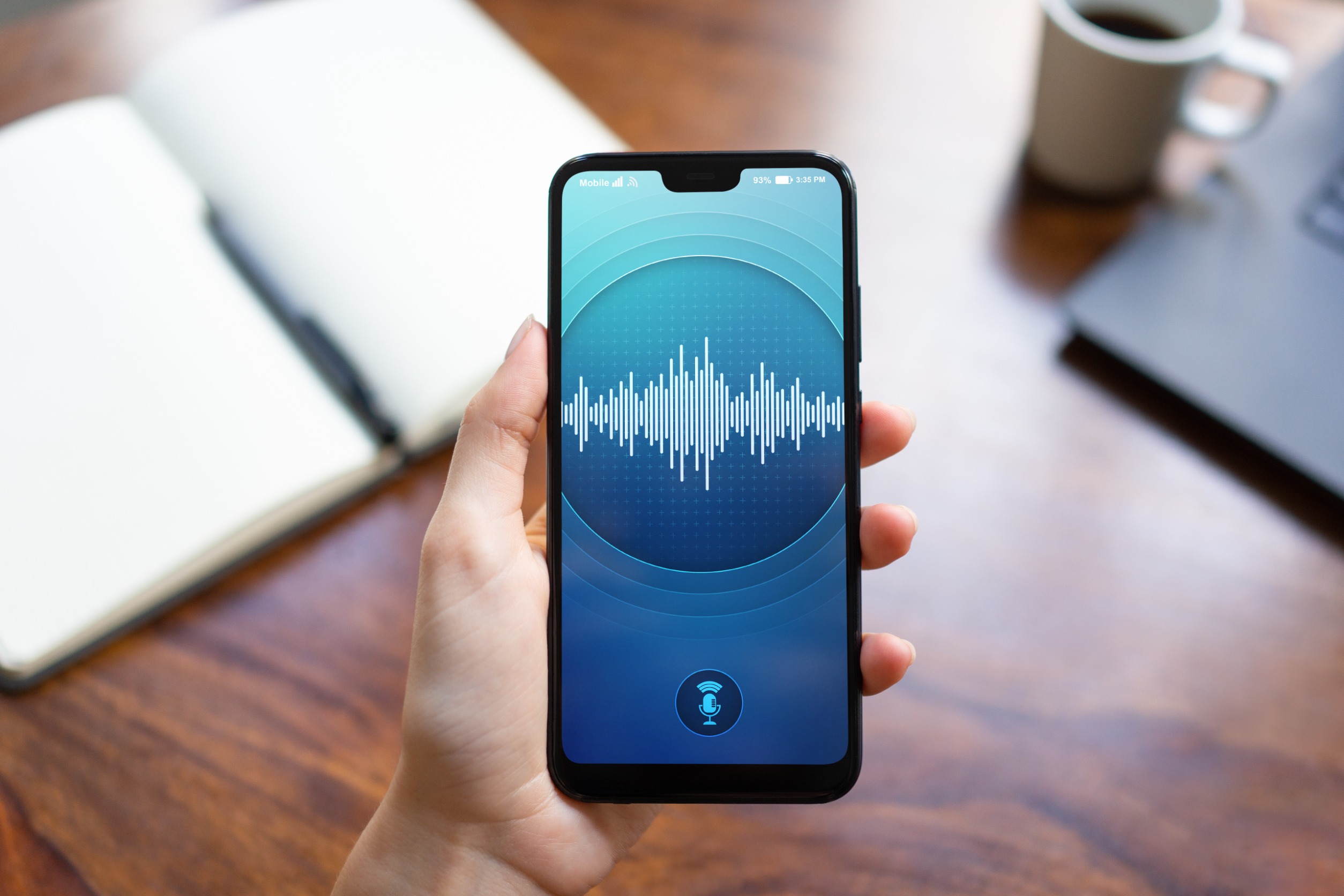
Voice artificial intelligence is much more than a technical advance: it is a major step in the way people interact with machines. From its early days in the mid-20th century to its everyday presence today, voice AI has left its mark on technology, and especially on communication.
Voice assistants are now used by billions of people, and the voice AI market has grown very quickly in recent years.
The technology is changing interactions in many sectors, including healthcare, education, transport and marketing.
You can easily integrate it into a call center, a website or a mobile app. But how does it work? Where can it be used? And what comes next?
What is voice artificial intelligence?
Voice AI is a technology that lets an application or device understand, interpret and produce spoken language naturally and fluently.
It combines advanced algorithms, machine learning models, speech recognition, natural language processing (NLP) and neural networks to analyze what people say and produce relevant answers.
Voice AI bridges the gap between people and machines. It does not just imitate voices: it creates natural, intuitive interactions designed around the user's needs.
How does voice AI work?
Voice AI understands and interprets human language in six main steps.
1. Converting speech to text
Speech recognition analyzes the sound waves of the user's voice and turns them into data the system can process.
2. Filtering background noise
The AI removes unwanted noise that could hinder recognition. A neural network separates the voice from ambient sound.
3. Sending the request for processing
Once the message is recognized, it is sent securely to servers where AI models process the text and look for the best answer.
4. Analyzing meaning
The system analyzes the meaning of the text with deep learning and linguistic analysis to understand the request and its context.
5. Checking the answer
The AI checks the request again to validate the quality and relevance of its answer, and selects the best one.
6. Answering out loud
Finally, the AI produces a spoken answer. Speech synthesis and voice modeling generate an audio signal that sounds like a human voice.
The impact of voice AI by industry
Because it can interact naturally with people, voice AI affects almost every sector. From transport to finance, e-commerce, education and healthcare, it can optimize processes, improve decision making and transform customer service.
E-commerce
Voice AI can improve the customer experience, conversion rates and sales. With voice search, customers can find products, add them to their basket and even complete their purchase quickly.
Healthcare
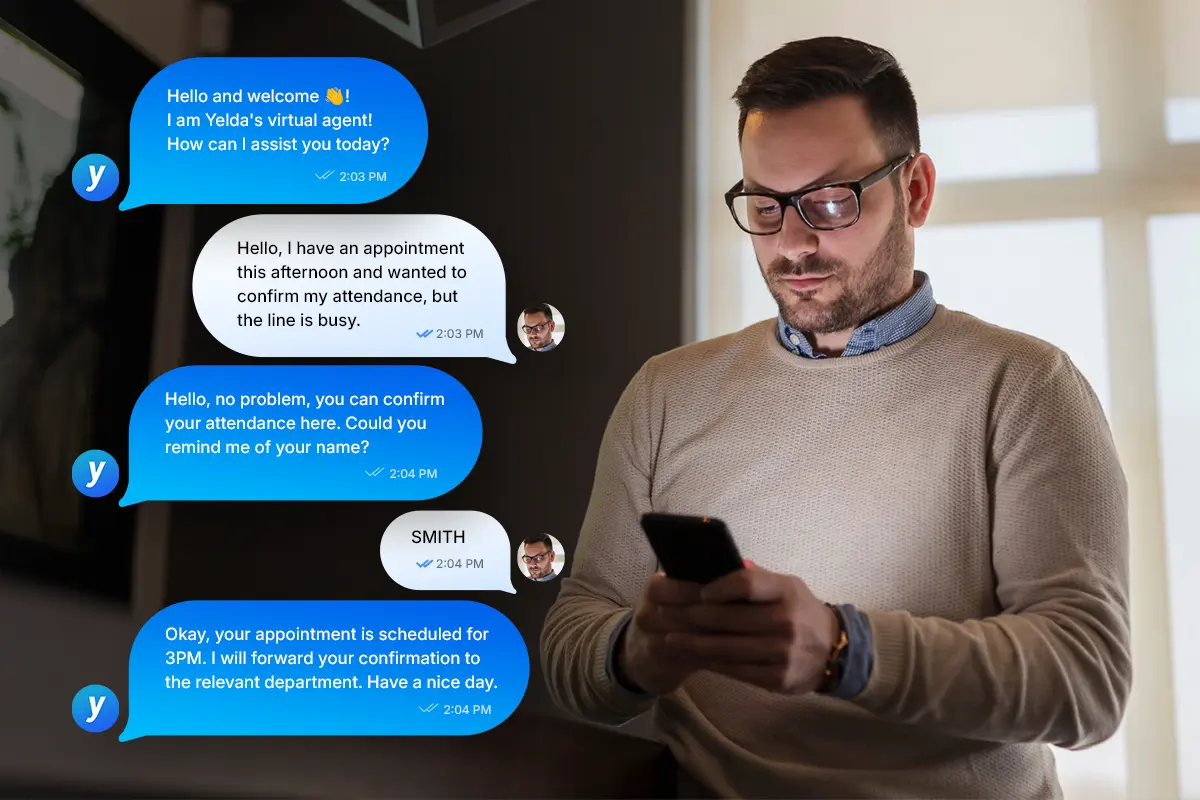
With speech recognition, patients can book appointments, get information remotely and receive personalized recommendations.
The technology also makes care more accessible. It can transcribe consultations in real time for doctors, who can then access patient records and past prescriptions more easily.
Education
Voice AI can modernize learning methods and support student success.
With voice tutoring, students get personalized learning paths adapted to their needs. Interactive voice platforms also help with language immersion.
YeldaAI automates up to 50% of calls and answers frequent requests 24/7, in several languages, taking the load off your teams.
Other sectors
Voice AI also benefits many other fields:
- Finance: banking apps with voice commands let customers check balances, make transactions and manage their money.
- Customer service: with voicebots and callbots, customers get fast, efficient and personalized service.
- Transport and logistics: voice systems help plan deliveries, manage stock and track shipments in real time.
The main voice AI tools
Many voice AI tools are available. Some stand out for their popularity:
- Google Assistant: search, music, calls, connected devices and more.
- Amazon Alexa: podcasts, online shopping, home automation and games.
- Apple Siri: directions, translation, messages and other everyday tasks.
Other solutions, such as Samsung Bixby, also target specific uses.
Tools such as ElevenLabs let users create voice clones and convert text to speech in real time, while others can read documents such as PDFs aloud.
The future of voice AI
As natural language processing and machine learning keep improving, the outlook for voice AI is very promising: fraud prevention, integration with other applications, real-time translation and more.
Voice is expected to play a growing role in commerce and in many workplaces, from factories to offices, across sectors such as real estate, insurance, retail and tourism.
This future also comes with responsibilities. Ethics cannot be ignored: AI solutions must be deployed with security, privacy and user protection in mind, without bias or discrimination.
Bring voice AI to your business with YeldaAI
YeldaAI lets you build AI-powered callbots and voicebots and connect them to your systems. Want to know more? Book a demo.
How many calls can your voice agent absorb?
Estimate in one minute the number of automated calls and the savings on your own volumes, with our ROI calculator.