How can you personalize customer service and better retain your customers?
Boost customer loyalty with personalized customer service. Discover our tips for adapting your customer relations and improving engagement.


Personalizing customer service is no longer just a "nice-to-have" for businesses. It has become a fundamental expectation. In reality, customers want to be understood, recognized, and supported, and brands that fail to deliver on this are quickly forgotten.
The democratization of artificial intelligence and the ability of companies to analyze massive volumes of data have completely changed the game. For the first time, it is possible to anticipate needs, finely segment audiences, and create truly tailored experiences.
Today, personalization is no longer just about inserting a first name into an email. It is about deeply understanding a customer—their behaviors, preferences, pain points—and using that information to deliver the right message, at the right time, on the right channel.
But in practical terms, how do you move from a lofty promise to customer service personalization that is truly operational and effective?
What is customer service personalization?
Customer service personalization refers to all the practices involved in adapting interactions, communications, and offers to each individual customer. This adaptation is based on personal data, behavior, and the history of the relationship with the brand.
The goal of such an approach is for every customer to feel recognized, understood, and supported according to their actual needs. Several levers are used to personalize customer service:
Personal data : age, location, profession, family status.
Purchasing behavior : frequency, average basket size, favorite products, order history.
Omnichannel interactions : website browsing, reactions to advertising campaigns, customer service exchanges, and in-store visits.
From a technical standpoint, personalization relies on tools such as CRM, marketing automation platforms, or conversational AI solutions. These technologies make it possible to create a seamless and consistent experience across all channels.
Why is it important to personalize customer service?

There are several reasons why it is necessary to personalize and, above all, to strive to improve customer service. Customers are more demanding and less patient. Consumers now expect a seamless and relevant experience from companies. With the proliferation of offers, their attention has become a scarce resource.
They want messages tailored to their preferences, relevant recommendations, and quick responses to their requests. Personalization also optimizes customer satisfaction. It has a direct impact on the CSAT (Customer Satisfaction Score). Ensuring tailored interactions allows a company to show that it truly knows its customers.
This improves their satisfaction, trust, and loyalty. Likewise, targeted messages and relevant offers increase the likelihood of purchase. As a general rule, a customer who receives a recommendation that aligns with their needs is more likely to take action. This relevance improves conversion rates at every stage of the customer journey.
At the same time, a satisfied and understood customer is more inclined to remain loyal. Personalization helps reduce churn and increase customer lifetime value , or LTV. Furthermore, it allows for better allocation of marketing resources. The company runs fewer unnecessary campaigns, becomes more efficient, and achieves a better return on investment.
How can you offer personalized customer service in your company?

To implement an effective personalization strategy, you must follow certain steps.
1. Collect customer databases
Personalization is impossible without reliable and comprehensive data. With this in mind, companies must first structure how they collect and use data. The data to be collected includes:
Sociodemographic (age, gender, location);
Behavioral (pages visited, purchase frequency, mobile browsing);
Transactional (purchase history, average basket, abandoned products);
Declarative (preferences, feedback, satisfaction surveys).
For data gathering, the main sources to use are a CRM, Google Analytics, forms, social media, email marketing tools, or even incoming phone calls customer service logs. The ideal approach is to centralize information in a unified database to gain a 360° view of the customer.
Naturally, this collection must comply with GDPR regulations and be transparent. The customer must know how their data is being used.
2. Segmenting customer databases
Once the data has been collected, the next step is to turn it into actionable segments. Various methods are generally used:
Demographic segmentation: age, gender, location.
Behavioral segmentation: purchase frequency, response to campaigns, loyalty.
Customer lifecycle segmentation: prospect, new customer, loyal, inactive.
Customer value segmentation: recency, frequency, monetary value.
Personas play an essential role here. They embody typical customer profiles and allow strategies to be adapted to their specific needs.
Thanks to CRM and marketing automation tools, segmentation can be automatically updated based on real-time behavior. Solutions like HubSpot, Klaviyo, or ActiveCampaign make it possible to create these dynamic scenarios.
3. Tailoring offers by segment
This is the stage where personalization comes to life. Each segment should benefit from a tailored customer journey, with relevant offers, messages, and channels. To achieve this, it will be necessary to create differentiated customer journeys based on personas. Marketing messages must be adapted according to the purchasing context (email, SMS, advertising, chatbot).
Developing offers also includes implementing automated recommendations using AI. For example, this could involve similar products, cart abandonment reminders , or personalized offers. Likewise, customer service teams must be trained to adapt their tone to the customer's profile.
Furthermore, it may be relevant to transition toward hyper-personalization using voice AI AI. It analyzes data in real-time to anticipate individual needs before the customer even expresses them.
3 examples of personalized customer service
Personalization does not apply only to the B2C sector. It is also transforming customer relationships in B2B. Here are real-world cases of implementing personalized customer service.
1. Sephora
Sephora combines data from its website, app, and stores to offer a bespoke experience to its customers. Customers can view their past purchases and favorite products, and receive personalized recommendations based on their beauty profile. This leads to a higher repurchase rate and strengthened customer engagement through a seamless experience both online and in-store.
2. Decathlon
By analyzing behavioral and transactional data, Decathlon anticipates customer needs based on the season, purchase frequency, and the type of sport practiced. Follow-up emails, product recommendations, and customer service messages are fully contextualized. The result is a significant improvement in CSAT and greater customer loyalty.
3. Salesforce
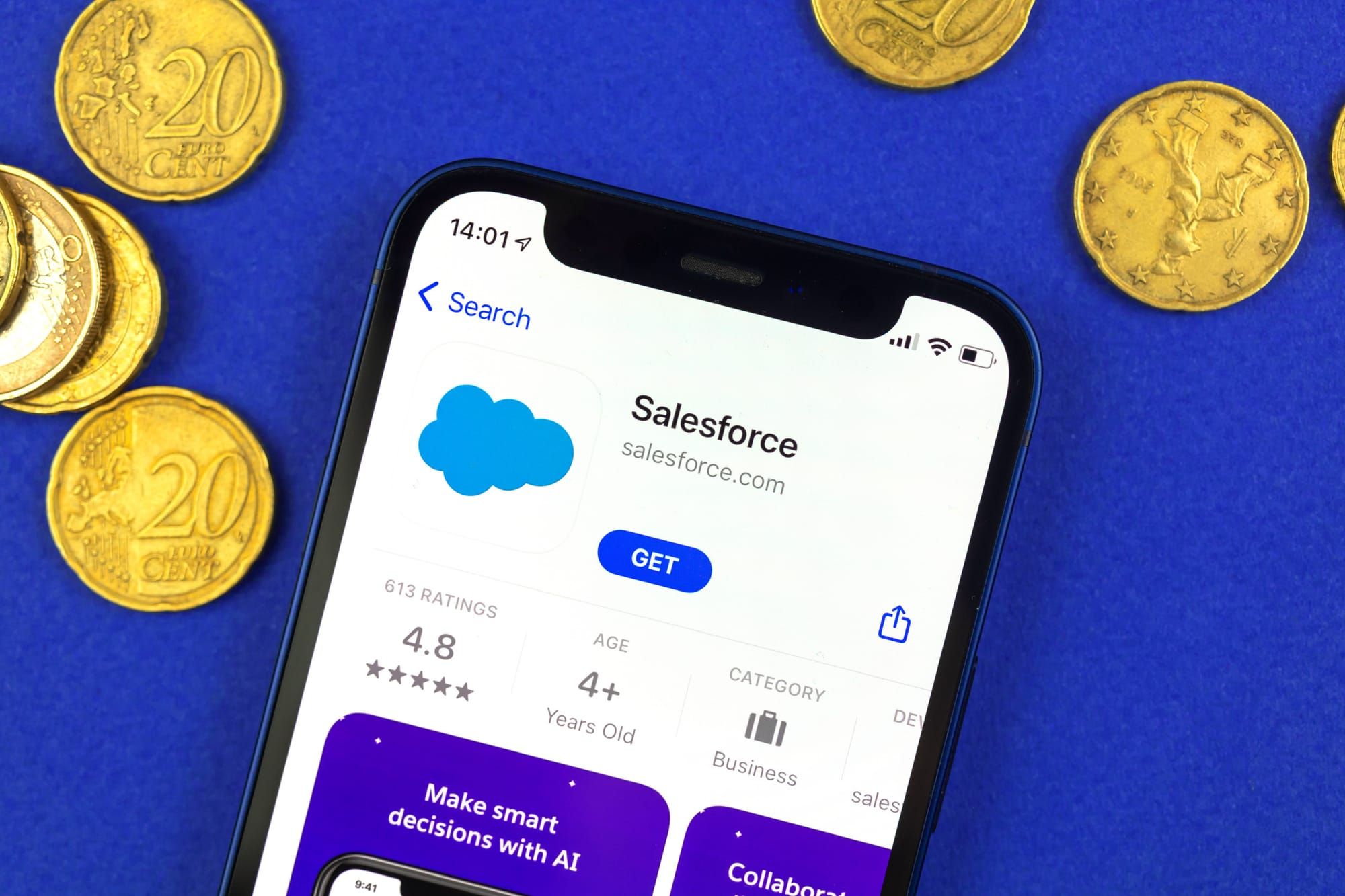
Salesforce is a CRM that integrates callbot solution, making it a predictive tool capable of analyzing the tone and content of customer inquiries. Agents have access to a complete history to respond proactively. It allows for a reduction in query processing time and better overall satisfaction.
Estimate the gains of a voice agent based on your own call volumes with our ROI simulator.
Taking customer service personalization further
Here are the answers to the most frequently asked questions about customer service personalization.
What are the differences between personalization and hyper-personalization in customer service?
Personalization is based on segments and typical profiles. Hyper-personalization, on the other hand, treats each customer as a unique segment. AI and real-time analysis make it possible to predict intentions and offer an immediate response, on the right channel and at the right time.
What tools should be used to effectively personalize customer service?
To implement effective personalization, several technological solutions can be combined:
YeldaAI: ideal for call centers and intelligent callbots capable of recognizing the customer profile and adapting the conversation.
Klaviyo: perfect for e-commerce, it allows you to personalize email and SMS campaigns based on purchasing behavior.
Zendesk: a customer support tool that integrates customer history, tickets, and preferences.
HubSpot, Salesforce, or Zoho CRM can be used to centralize data and automate interactions. Similarly, ChatGPT or another conversational AI can be used to provide personalized responses instantly across digital channels.
What are the risks to avoid when personalizing customer service?
You must respect the privacy of your customers. Data collection and usage must be transparent and GDPR-compliant. Likewise, you should avoid over-solicitation. An excess of personalized messages can harm the customer relationship.
The company must also maintain omnichannel consistency. The customer should have a seamless experience, regardless of the channel. Intrusive personalization should also be avoided. Excessive precision can sometimes create an uncomfortable feeling of being watched.
How do you measure the effectiveness of a personalization strategy?
To evaluate the effectiveness of such a strategy, you need to track several key performance indicators (KPIs):
CSAT (Customer Satisfaction Score): to measure immediate satisfaction after an interaction.
Repurchase and loyalty rates: direct indicators of the customer relationship.
Churn rate: to monitor customer retention.
Customer Lifetime Value (LTV): to measure long-term profitability.
Similarly, qualitative feedback should be monitored. Customer comments remain a valuable source for adjusting personalization journeys.
How many calls can your voice agent absorb?
Estimate in one minute the number of automated calls and the savings on your own volumes, with our ROI calculator.