
Customer interaction analytics: definition, benefits, methods
Turn calls, emails and chats into actionable insights: what customer interaction analytics is, why it matters and how to set it up.


Understanding your customers is now essential, and only the companies that manage it will succeed.
By collecting and analyzing data from customer interactions, you can design experiences that are not only optimized but deeply personalized.
That is where customer interaction analytics comes in, helping companies gain valuable insights into customer behavior, preferences and sentiment across all channels to create a smooth, tailored experience.
So what is customer interaction analytics, how does it work, why does it matter, how do you use it and which tools do you need to get started?
What is customer interaction analytics?
Customer interaction analytics means examining customer interactions across channels to gain insights into their behavior, preferences and sentiment.
It relies on advanced technologies such as machine learning, natural language processing and artificial intelligence. These turn qualitative, unstructured data into quantifiable, measurable indicators. The data comes from phone calls, emails, chat transcripts, social media and other customer interactions.
The overall goal is to measure customer satisfaction and use the insights to improve customer experiences. Whether for strategic decisions, marketing campaigns, product development or customer service improvements, customer interaction analytics helps companies get actionable insights from their customer interactions.
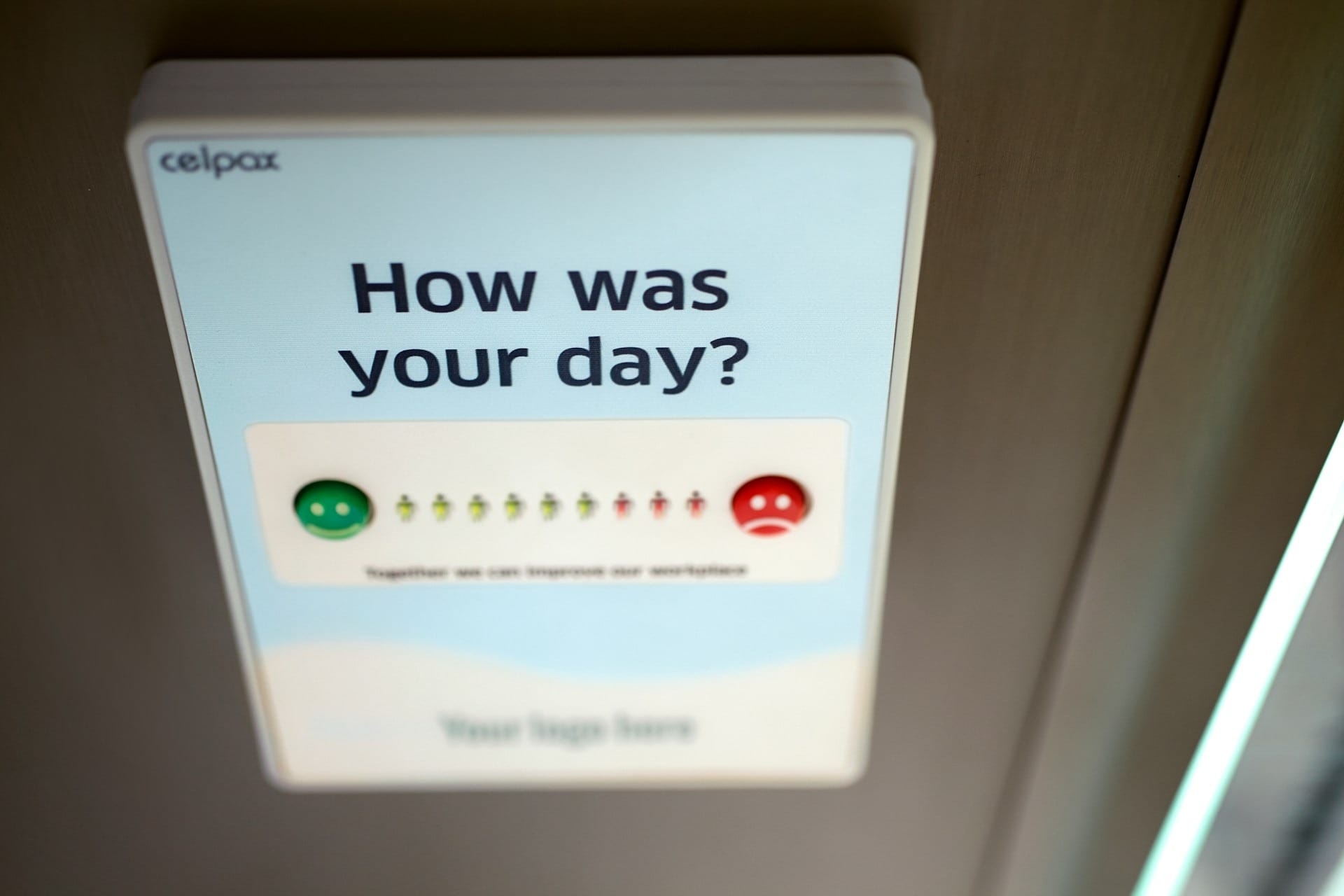
Companies can effectively monitor customer sentiment, identify pain points and personalize products and services to create customer-centric experiences, designed to meet the specific needs and preferences of their target audience and build loyalty and satisfaction.
It is a powerful strategy, and every company would benefit from using it as soon as possible.
Why is customer interaction analytics important?
For any company that wants to stand out, customer interaction analytics is not just one of the best methods: it is the only way to truly understand and meet customer needs.
Better customer experience
Companies can use customer interaction analytics to gain valuable insights from these exchanges. They can spot emerging trends, proactively address potential concerns and seize new opportunities.
The result: higher satisfaction and loyalty, as companies tailor their responses precisely to customer expectations.
Data-driven decision making
Tracking customer interaction analytics highlights areas for improvement in the customer experience. Insights from interaction data support strategic decisions, so companies can adjust their strategies based on concrete data rather than assumptions.
Optimized marketing campaigns
Customer interaction analytics can also boost your marketing campaigns. Marketers can refine their campaigns, identify high-value customer segments, personalize messages and increase conversion rates and ROI.
After all, 80% of consumers are more likely to buy when brands offer personalized experiences. Why not use customer interaction analytics to guide your marketing campaigns?
Better agent performance
Customer interaction analytics helps you get the best from your advisors and customer service agents. The insights improve agent training by highlighting strengths, areas for improvement and mistakes to avoid.
Real-time feedback also lets supervisors step in quickly and offer coaching to improve service quality.
Lower customer churn
Companies constantly try to reduce churn. The best way to keep an unhappy customer from leaving is to prevent them from becoming unhappy in the first place.
Failing that, you can detect early signs of dissatisfaction with sentiment analysis and take proactive action to keep problems from recurring.
Since a single bad experience can be enough to make a customer leave a brand they like, customer interaction analytics is essential to reduce churn and strengthen loyalty.
Compliance and risk mitigation
Finance and healthcare in particular benefit from customer interaction analytics to ensure regulatory compliance. AI-driven analytics, for example, can monitor compliance breaches and protect your company from legal risks.
These are only some of the key reasons why customer interaction analytics matters. The deeper you go, the more ways you will find to use it.
The main types of customer service analytics
Customer service analytics can cover many kinds of data, but to better understand and improve the customer experience, it falls into four main categories: descriptive, diagnostic, predictive and prescriptive analytics.
Descriptive analytics
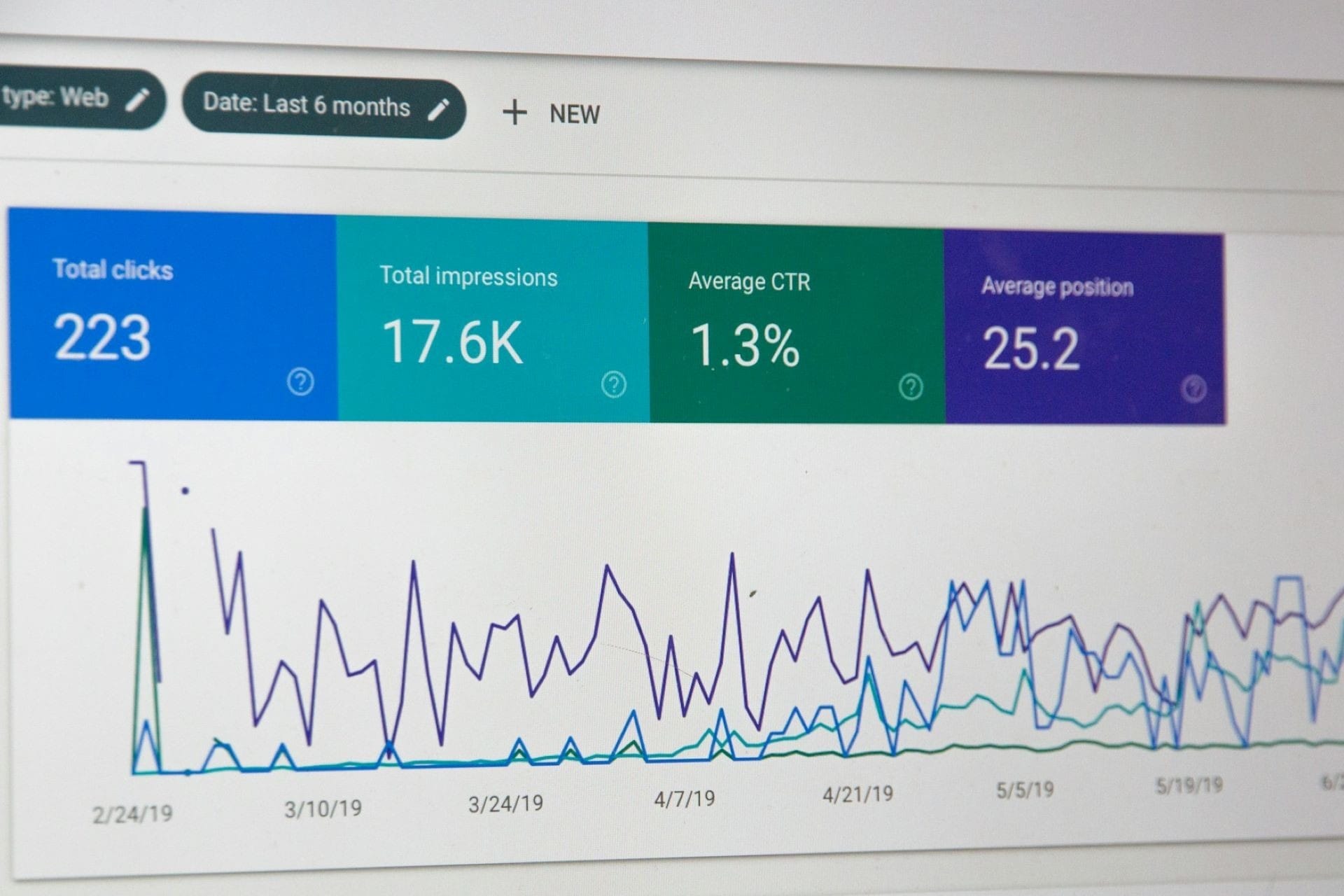
As the name suggests, descriptive analytics describes past or current events. It summarizes historical data to show what happened.
You get these insights by examining customer feedback from calls, emails, social media or any other channel. This data helps measure customer satisfaction and identify the main reasons customers contact customer service.
Companies can use descriptive analytics to segment customers, map the customer journey and measure satisfaction with metrics such as customer satisfaction score and net promoter score.
Diagnostic analytics
Diagnostic analytics focuses on the causes of trends and problems. If descriptive analytics answers "what?", diagnostic analytics answers "why?".
For example, it can show why a marketing campaign missed its goals or why some products have high return rates.
Companies that understand the root causes of customer problems can take effective action to solve them or even prevent them from happening again.
Predictive analytics
Using historical data and statistical models, predictive analytics forecasts future customer behavior and trends.
It can anticipate churn, identify customers likely to buy again or even predict customer needs in advance.
A company could use predictive analytics to alert agents about a product a customer is likely to mention, especially if that customer calls regularly about it.
Prescriptive analytics
Prescriptive analytics tells you what you should do or what you could improve. It can recommend personalized product suggestions or optimal pricing strategies.
Companies can use it to identify their most profitable customer segments, optimize marketing efforts and improve the customer journey.
Each type of analytics brings specific value. Depending on their needs, companies will favor some types over others.

How to set up customer interaction analytics
Careful planning and execution are essential to get the most out of customer interaction analytics. Here is the process in six steps.
1. Set clear, measurable goals
Before you start, set precise, measurable goals for your customer interaction analytics strategy, such as reducing churn or improving agent performance. Make sure your goals are specific.
2. Identify your data sources
Your goals determine what you are looking for, but you also need to identify where to collect the data: phone calls, social media, chat logs, emails and more. An omnichannel approach is essential to get a complete view of customer interactions.
3. Choose the right analytics tools
You need tools that can analyze interaction data across channels.
Favor powerful tools that use artificial intelligence, machine learning and natural language processing. They analyze data effectively with text analytics and advanced transcription, as well as sentiment analysis that flags issues in real time.
4. Collect and segment the data
When collecting data, make sure it is organized and formatted for analysis. Then segment it to extract actionable insights.
5. Analyze and visualize the data
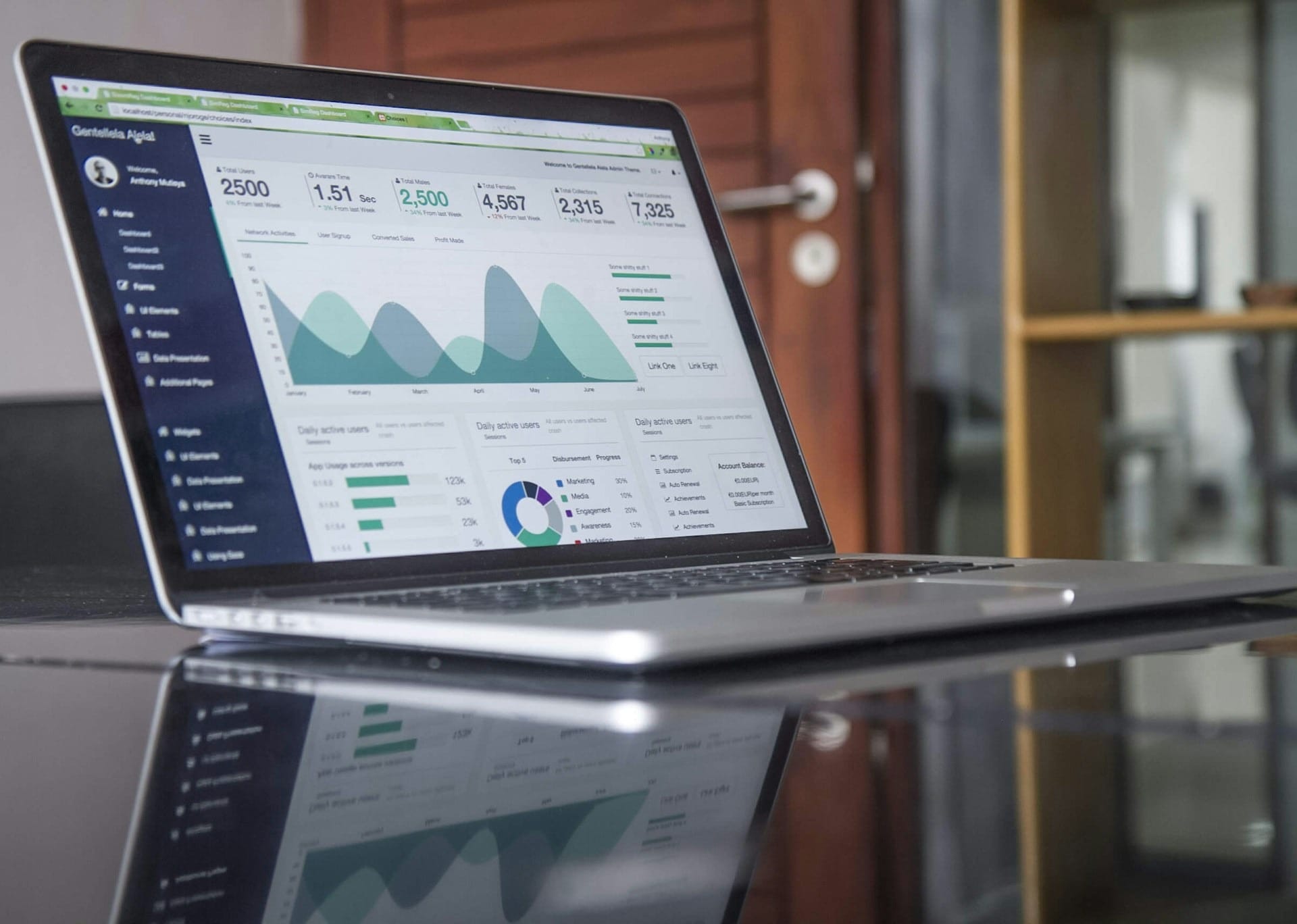
Analyze and visualize your data to get actionable insights. Customer interaction analytics tools often offer user-friendly dashboards to spot trends and patterns quickly, and AI-powered tools can suggest them directly.
6. Put data governance and security policies in place
As with any data you collect, especially customer data, you need the right governance and security policies.
These policies keep your customers' data secure and protect you legally.
Once this is done, you are ready to make the most of customer interaction analytics, provided you have chosen the right platform.
How to choose the right customer interaction analytics platform
There are many powerful platforms to choose from. Rather than telling you which one to pick (we might be a little biased), here are the criteria to look for.
Advanced analytics capabilities
Look for advanced, up-to-date analytics platforms, typically with AI, machine learning and natural language processing capabilities.
Scalability
Avoid a platform that will become obsolete as your company grows: choose scalable platforms.
Integration
Your platform must integrate seamlessly with your current systems, including your CRM and marketing automation tools.
Real-time insights
To be effective, the platform must be fast and responsive, providing insights and alerts on customer issues as soon as possible.
Security and compliance
Data security and compliance are key. Choose a tool with robust security measures that complies with data privacy regulations.
With customer interaction analytics, any company can turn interaction data into actionable insights and make data-driven decisions that drive growth, improve the customer experience and give it a competitive edge.
AI-powered tools like YeldaAI are a great way to make the most of customer interaction analytics.
Estimate what a voice agent could save on your own call volumes with our ROI calculator.
How many calls can your voice agent absorb?
Estimate in one minute the number of automated calls and the savings on your own volumes, with our ROI calculator.